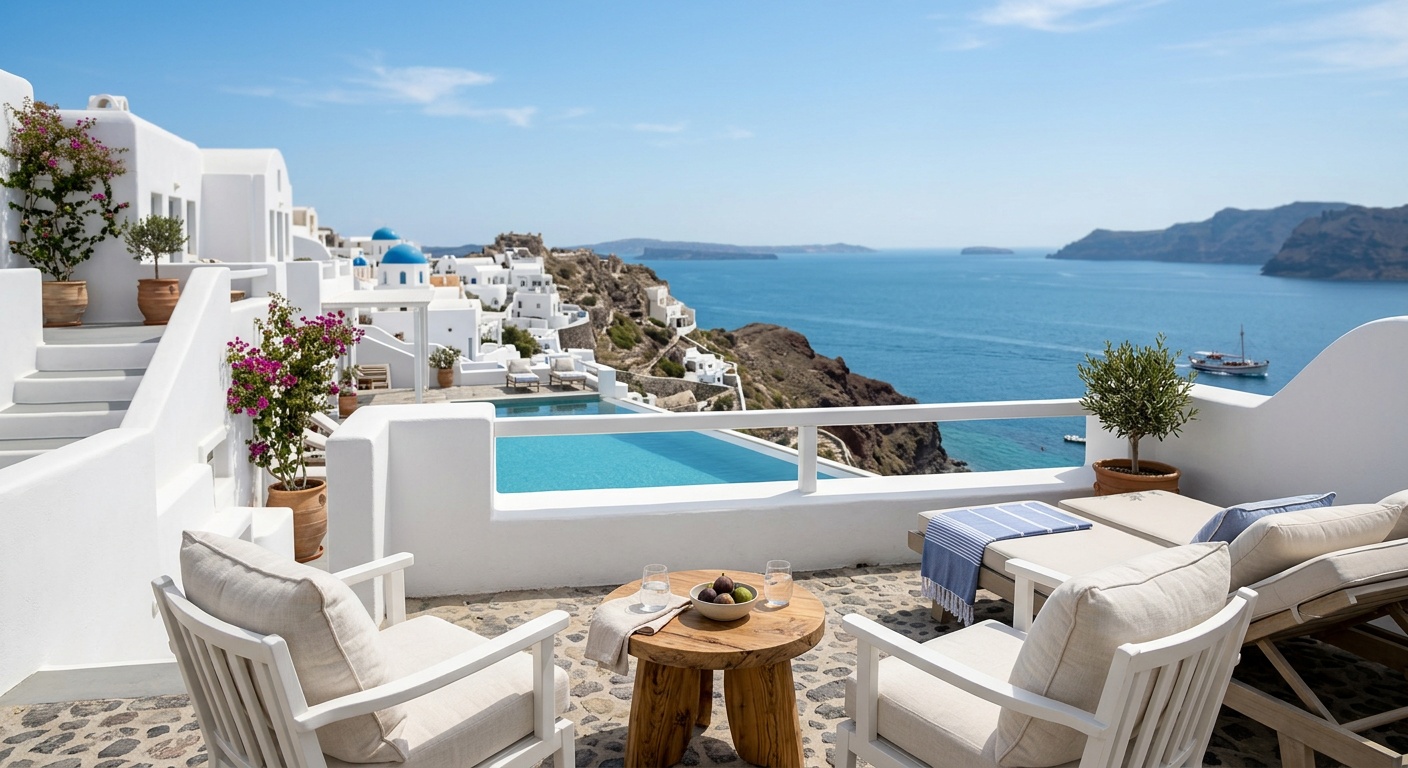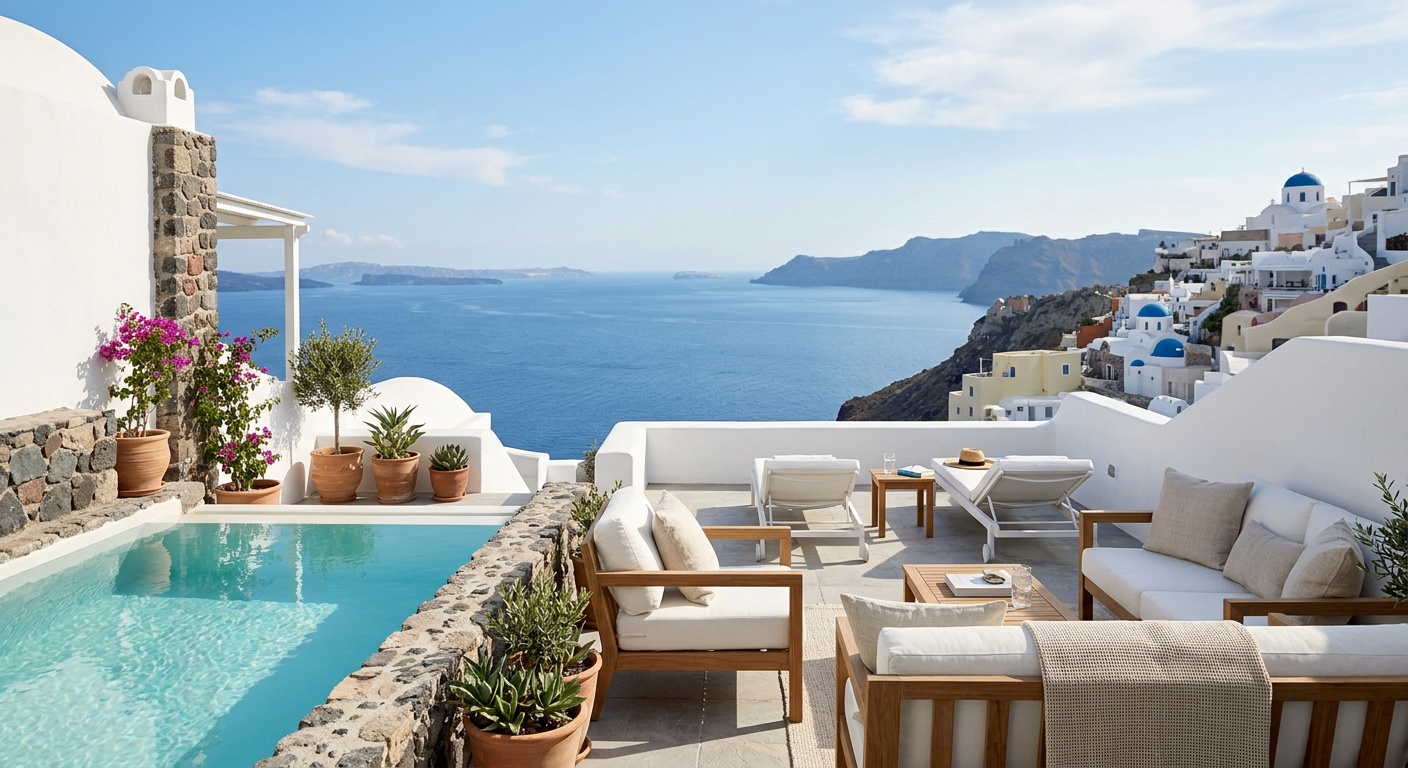
Promoting Overseas Property Deals Like Hotels for Sale in Greece: A 2026 Marketer’s Playbook
Reading time: 9 minutes
Selling a hotel isn’t like selling a condo. There’s no emotional “this could be my dream kitchen” moment — buyers want spreadsheets, occupancy forecasts, and a clear exit strategy. Yet the overseas property market, especially in Greece, has exploded with interest from investors who want both lifestyle appeal and hard financial returns. If you’re marketing these assets in 2026, you need a completely different playbook than the one used for residential listings.
Table of Contents
- Understanding the Overseas Hospitality Investment Boom
- Why Greek Hotels Have Become the Trophy Asset of 2026
- The Numbers Behind the Trend
- Common Buyer Profiles You’ll Encounter
- How to Market These Deals Effectively
- Overcoming Common Challenges
- Frequently Asked Questions
- Your Roadmap Forward
Understanding the Overseas Hospitality Investment Boom
Here’s the straight talk: international buyers aren’t just chasing sunshine anymore — they’re chasing yield, residency perks, and portfolio diversification in a single transaction. Since 2023, Greece has positioned itself as one of the most attractive entry points into European hospitality real estate, partly because acquiring qualifying property can unlock access to a Golden Visa program, giving non-EU investors residency rights across the Schengen zone. That single incentive has reshaped how agencies pitch listings, shifting the conversation from “beautiful views” to “compliance pathway plus cash flow.”
Quick scenario: imagine a family office in Dubai deciding between a boutique hotel in Santorini and an apartment block in Lisbon. What tips the scale? Usually it’s the combination of tourism growth data, tax treatment, and how quickly the asset can be legally transferred and operational under new management. That’s the exact narrative overseas property marketers must build.
Why Greek Hotels Have Become the Trophy Asset of 2026
Greece welcomed a record number of international visitors in 2025 — tourism revenue climbed past €22 billion, according to figures cited by the Bank of Greece — and early 2026 bookings suggest another strong season. That demand curve, paired with limited new hotel construction permits in popular regions like the Cyclades and Crete, has created a scarcity effect that savvy marketers are leaning into hard.
The Numbers Behind the Trend
Numbers sell better than adjectives. Below is a snapshot comparing key overseas hospitality investment destinations that agencies frequently pitch against Greece.
| Destination | Avg. Gross Yield (2026) | Entry Price Range (Boutique Hotel) | Residency Incentive | Tourist Arrivals Growth (YoY) |
|---|---|---|---|---|
| Greece | 6.8% | €1.2M–€6M | Yes (property-linked) | +5.4% |
| Portugal | 5.9% | €1.5M–€8M | Limited (fund-based only) | +3.1% |
| Spain | 5.2% | €2M–€10M | No (visa route closed) | +2.8% |
| Italy | 5.5% | €1.8M–€9M | Limited | +3.6% |
| Turkey | 7.4% | €0.8M–€4M | Yes (citizenship route) | +6.1% |
Notice something? Greece isn’t the highest yield on paper, but it sits in a sweet spot — strong returns, EU legal framework, and a residency incentive that competitors like Spain have walked back. That combination is exactly why marketers should frame Greek listings as “balanced risk, layered reward” rather than pure yield plays.
Common Buyer Profiles You’ll Encounter
Not every inquiry is the same, and treating them identically wastes marketing budget. Three recurring profiles show up in 2026 lead pipelines:
- The Lifestyle Investor — wants a boutique property they might partially use themselves, cares about design and location as much as returns.
- The Institutional Diversifier — represents a fund or family office, needs detailed occupancy data, management contracts, and legal due diligence upfront.
- The Residency Seeker — primarily motivated by the visa pathway, often from Asia, the Middle East, or the US, and needs clear step-by-step guidance on qualifying thresholds.
How to Market These Deals Effectively
Well, here’s the uncomfortable truth: most overseas property marketing still relies on generic brochure language — “stunning sea views,” “unmissable opportunity” — when serious buyers are Googling ADR (average daily rate) benchmarks and title deed procedures at 11pm. If your content doesn’t answer those questions, you lose the lead to a competitor’s website.
Digital Channels That Convert
In 2026, three channels consistently outperform traditional listing portals for hospitality assets:
- LinkedIn thought-leadership content aimed at family offices and investment advisors, not consumers.
- Targeted webinars walking through legal, tax, and licensing frameworks — these generate fewer leads but dramatically higher-quality ones.
- Localized landing pages that speak directly to buyer nationality concerns (e.g., a Mandarin-language page addressing residency timelines separately from a German-language page focused on rental management logistics).
Pricing Psychology for Hospitality Assets
Unlike residential property, hotel pricing needs to be presented alongside operational context — RevPAR, occupancy rate, and renovation cost estimates. Agencies that pair a price tag with a two-year cash flow projection report 30–40% faster inquiry-to-viewing conversion, based on internal data shared by several boutique brokerages operating in the Aegean region during 2025.
Here’s a simple visualization comparing which content elements buyers say most influence their decision to request a viewing, based on a 2025 survey of 140 international hospitality investors:
The takeaway is clear: lifestyle imagery still matters, but it’s the supporting act, not the headline. A listing site that showcases hotels for sale in greece alongside transparent occupancy data and legal documentation will consistently outperform one relying purely on aspirational photography.
Overcoming Common Challenges
Three obstacles come up again and again when promoting overseas hospitality deals, and each has a workaround that experienced marketers have refined over the past two years.
- Challenge 1 — Currency and financing uncertainty. Buyers from outside the Eurozone hesitate over exchange rate exposure. Solution: partner with a currency hedging advisor and mention this service directly in your marketing materials rather than leaving buyers to figure it out post-purchase.
- Challenge 2 — Regulatory unfamiliarity. Licensing rules for hotel operation in Greece involve municipal permits, tourism ministry classification, and fire safety certification — a maze for first-time buyers. Solution: create a simple explainer video or checklist that demystifies the process step-by-step, positioning your agency as the guide rather than just the seller.
- Challenge 3 — Skepticism about yield claims. Too many listings inflate projected returns. Solution: show three-year historical performance data where available, and be upfront about seasonality — a 65% occupancy claim for a 200-day season reads very differently than an unqualified “high occupancy” statement.
Pro Tip: The agencies winning the most serious inquiries in 2026 aren’t the ones with the flashiest websites — they’re the ones publishing the most specific, occasionally unglamorous operational detail. Specificity builds trust faster than polish does.
Frequently Asked Questions
Is buying a hotel in Greece a realistic option for a first-time overseas investor?
Yes, but it requires more hands-on involvement than buying a residential unit. Most first-time hospitality investors partner with a local management company to handle day-to-day operations while they focus on financing and strategic decisions. Starting with a smaller boutique property (under 20 rooms) is often a more manageable entry point than a large resort.
How long does the purchase and licensing process typically take?
For a straightforward acquisition with existing operating licenses, the process can close in 3–4 months. If licensing needs to be renewed or the property requires classification upgrades, expect 6–9 months. Building in buffer time for municipal approvals is essential — rushing this stage is one of the most common regret points buyers report.
What’s the biggest mistake marketers make when promoting these listings internationally?
Treating all overseas buyers the same. A Middle Eastern family office and a Northern European retiree-investor have completely different priorities, timelines, and risk tolerance. Segmenting content and outreach by buyer profile — rather than pushing one generic listing page to everyone — consistently produces stronger engagement and shorter sales cycles.
Your Roadmap Forward: Turning Listings Into Long-Term Trust
The overseas hospitality property market isn’t slowing down in 2026 — if anything, tightening supply in prime Mediterranean locations means the marketers who communicate clearly and transparently will capture a disproportionate share of serious buyers. Here’s how to move forward practically:
- Audit your current listings for financial transparency — add occupancy, ADR, and cost breakdowns wherever possible.
- Segment your buyer outreach by motivation (lifestyle, institutional, residency) rather than geography alone.
- Build one detailed explainer resource covering licensing and legal steps — this single asset can become your strongest lead magnet.
- Track which content elements actually drive viewing requests, and reallocate marketing spend accordingly every quarter.
The broader lesson here extends well beyond Greek hotels: as global investors grow more financially literate, the property marketers who thrive will be the ones acting less like salespeople and more like trusted advisors. So, what’s the first piece of financial transparency you could add to your listings this month?